


Author: Rachel Cockshaw, Business Development Manager
If your forecourt’s looking a bit tighter than usual right now, you’re not imagining it. Plenty of independent small fleet operators have stretched their usual change cycles into Q1, holding onto vehicles ahead of stronger spring demand. Now the market’s waking up, and suddenly there’s more stock to move than usual, with nowhere to put it.
And when space is tight and cash is tied up in vehicles that aren’t out earning, it’s not just inconvenient, it’s a serious issue.
The real problem isn’t selling, it’s timing
Selling vehicles isn’t new to you, and every operator has their own process they like to follow. The challenge right now is timing. For smaller fleet operators, every vehicle is working capital. When it’s sat idle on your forecourt, it’s not just taking up space, it’s slowing down reinvestment into fresh stock that can generate additional revenue.
Larger fleets can absorb that delay but smaller operators can’t. A few vehicles sitting around for an extra week or two makes a noticeable difference.
When space is limited and time is tight, it’s easy to default to the most convenient option. Book it into a physical auction, get it collected, job done.
This option solves the immediate headache but that convenience often comes at a cost. You end up with less control over the sale of your asset, and no real opportunity to test the market before the hammer drops.
No need to replace your process
There’s a common hesitation around digital platforms, especially when you’ve got a long-held established process. The fear is that moving to selling via a digital auction means changing everything, dropping trusted partners, or adding complexity where it’s not needed.
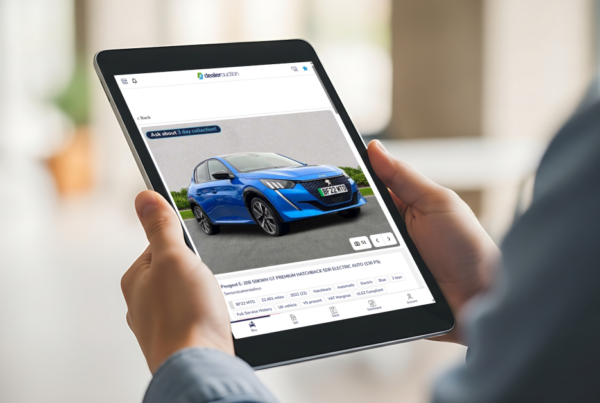
But the reality is a lot less scary. Dealer Auction works best as an extra tool in your kit, not a replacement for what you already do. You don’t need to rip up your current process to see better results, and we would never expect you to.
Let’s say you’ve got a Ford Transit booked for collection on Friday by your chosen physical auction. You’ve followed your normal process and now it’s time to wait.
However, instead of waiting, this time you list it on Dealer Auction on Tuesday and give it 24 to 48 hours on the platform. If it sells, you’ve potentially increased your return and brought cash in faster. If it doesn’t, nothing changes, it still goes to auction as planned.
There’s no risk, no disruption, just an extra opportunity to squeeze more value out of the same vehicle.
Speed matters more than ever
It’s simple, the faster a vehicle sells, the faster that money is back in your business. Getting money back quicker means swifter reinvestment into fresh stock, better utilisation of your capital and less pressure on already tight space.
For smaller fleets, that turnaround time can have a real, tangible impact. It’s not just about profit per vehicle, it’s about how quickly you can move and reinvest.
You don’t need to be a small fleet remarketing expert
Another common misconception is that selling via digital auction means taking on a whole new skillset. We’re not expecting you to suddenly become a remarketing specialist.
That’s where the support comes in, at Dealer Auction we have:
- Account managers to help with setup and listings
- Pricing guidance so you’re not guessing
- Regular reviews to improve performance
- Training for your team where needed
It’s self-serve, but with safety rails. You stay in control, without feeling like you’re going it alone.
A small change makes a big difference
You don’t need to overhaul your entire disposal strategy to improve your results. For most small fleet operators, the biggest gains don’t come from doing something completely different, they come from making smarter use of what’s already in place.
That’s where a simple shift in timing can have a real impact. Giving a vehicle even a short window on a digital auction before it follows its usual route can mean the difference between a quick disposal and a stronger return, without adding risk or unnecessary complexity to your day-to-day operation.
It’s about giving yourself more control, more visibility, and more opportunity, without disrupting what already works. And when you’re dealing with tighter space, more vehicles to move, and cash tied up in stock that isn’t earning, those small improvements add up quickly.
So rather than changing everything, start with one vehicle. Give it a 24 to 48 hour run. Because sometimes, the easiest way to improve your process isn’t to rebuild it, it’s to add a new tool.
Ready to give it a try? Speak to Rachel, our fleet expert, at rachel.cockshaw@dealerauction.co.uk