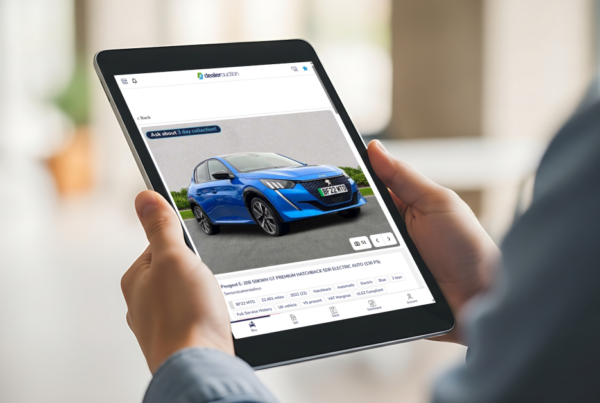


With stock spread across auctions, online platforms and multiple seller types, sourcing has become more fragmented. The challenge is no longer the volume of vehicles you can access but using better tools and data to focus on the right ones faster.
For many dealers, stock sourcing has become more complex than it needs to be. There may be more choice and more online channels to buy from, but that doesn’t automatically make sourcing easier.
Stock is often spread across physical auctions, digital platforms, franchise trade stock, fleet and leasing sources, and consumers. That means buyers will often spend too much time moving between systems, repeating searches and trying to compare opportunities that sit in different places.
Bring more of the market into one workflow
The first step towards better sourcing is reducing the number of places buyers need to look.
Rather than treating every source separately, dealers should bring more of the wholesale market into one workflow. Comparing opportunities side by side helps buyers make faster, more confident decisions and reduces the wasted effort that comes from checking one platform, moving to another, then trying to remember which vehicle looked strongest.
For franchises and independents alike, efficiency is becoming a commercial advantage. The quicker a buyer can identify relevant stock, compare its potential and act, the less time is lost to manual searching.
Use smarter alerts, not just more alerts
Basic filters such as make, model, age and mileage are useful, but they only go so far. The aim is to use alerts that surface genuinely relevant vehicles across multiple stock sources, whether that is Autotrader consumer stock, Manheim auction vehicles, fleet vehicles or franchise trade stock.
Smarter alerts help dealers focus on vehicles that match how they actually buy. That could include stock close to their postcode, vehicles with increased margin opportunity or vehicles with stronger market desirability through indicators such as Retail Rating or days to sell. The aim is not to create more noise. It is to make sure the right opportunities are seen sooner.
Prioritise stock using retail demand data
Too often, attention is driven by auction timings alone. If a sale is ending soon, it naturally moves up the priority list, but that’s not always where the strongest opportunity is.
Signals such as Autotrader Retail Rating and days to sell help dealers assess which vehicles are more likely to perform on their forecourt. This data gives buyers a more practical way to prioritise their time, combining their own market knowledge with live retail insight.
The result is a more focused buying process, where decisions are based on retail potential, not just availability.
Look beyond basic recommendations
Recommendation tools can play a bigger role, but only if they move beyond showing more of the same.
Dealer Auction’s recommended vehicles take a more intelligent approach. They use a mix of browsing behaviour, bidding activity and Autotrader forecourt data to surface stock that is more likely to fit a dealer’s buying profile and deliver stronger commercial outcomes.
Our data shows that 50% of dealers who view a recommended vehicle go on to shortlist it and 50% of those adverts get a bid, underlining the value of showing buyers the right stock at the right time.
Faster focus, better decisions
Dealers that bring more sources into one workflow, use smarter alerts and prioritise stock with stronger retail signals will be better placed to compete.