The traitors were back in the turret last month – but were you team traitor or team faithful?
While the drama unfolded, there was another question worth asking: how faithfully did the automotive marketplace perform in Q3? As always, the clues are there. You just need to know where to look.
We’re taking our findings to the Round Table to reveal the key moments, standout performers and winning strategies from Q3 on the Dealer Auction platform.
So, which models have been faithful to the established trends, and which have been uncloaked as a surprise contender?
Seeking out the opportunities for profit
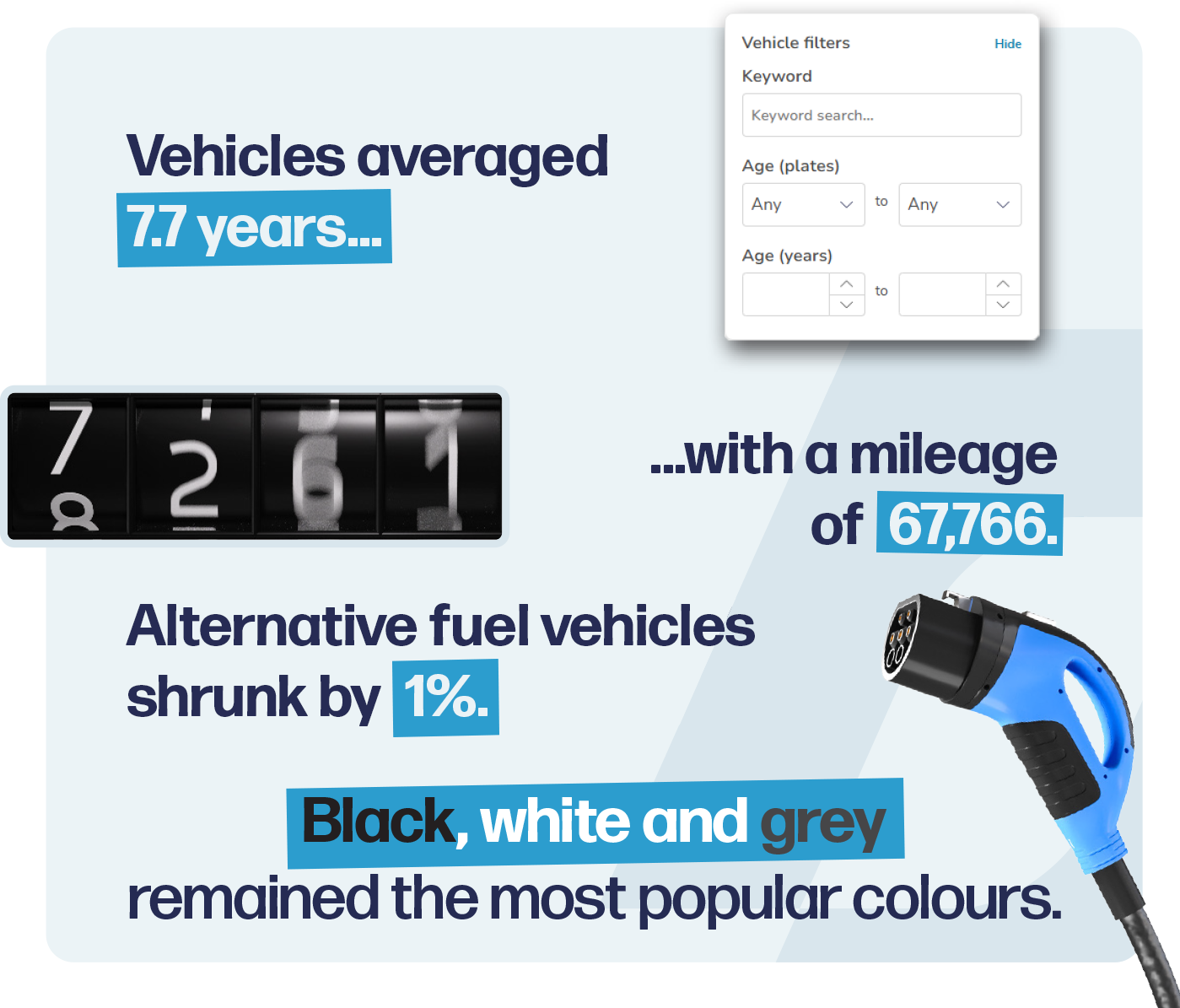
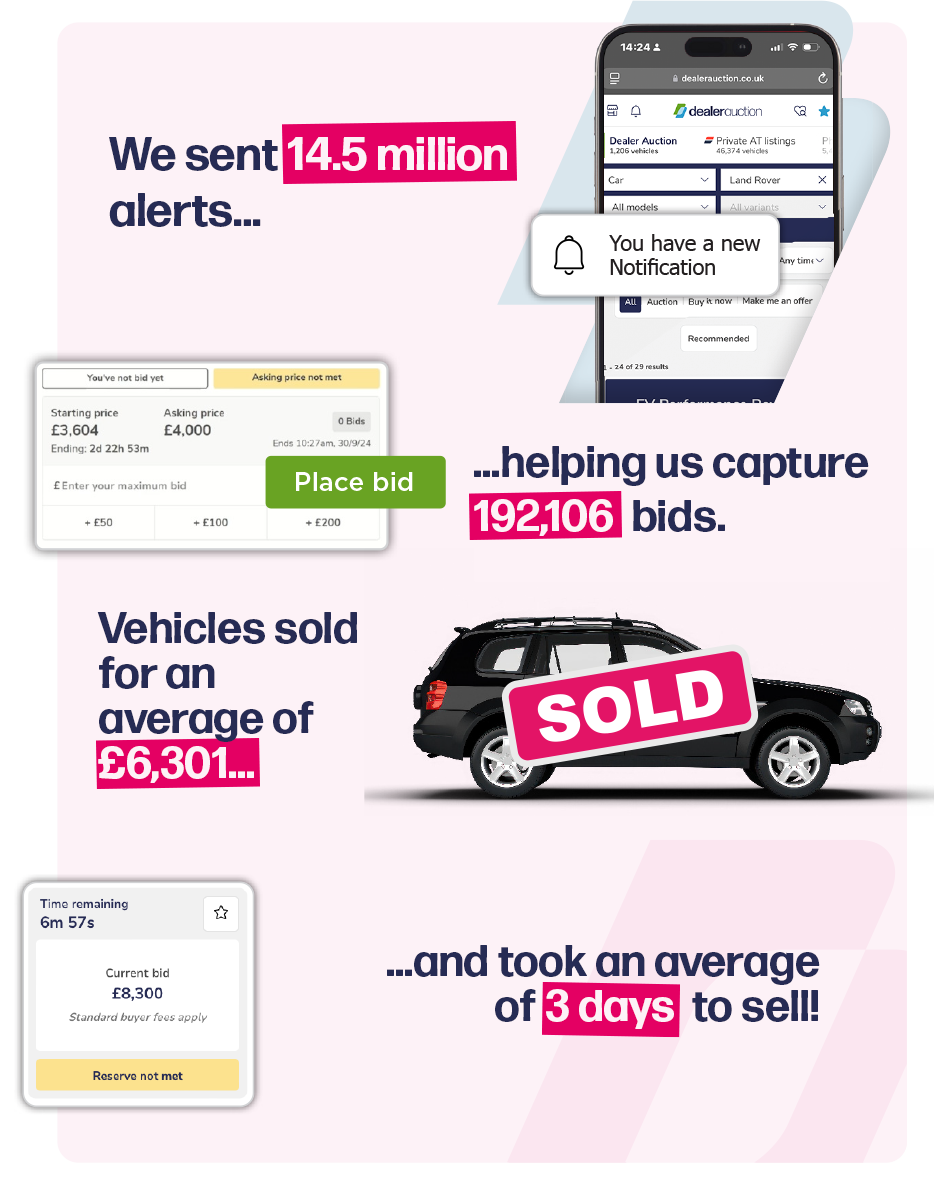
Retailers continued to buy older, higher-mileage vehicles in Q3, with age holding steady at 7.7 years and the average mileage rising to 67,766 miles, up from 66,098 in Q2. At the same time, the average selling price dipped to £6,301.
Together, these figures point to a shift in the profile of stock changing hands on Dealer Auction, raising an interesting question: where are retailers finding the strongest opportunities for profit?
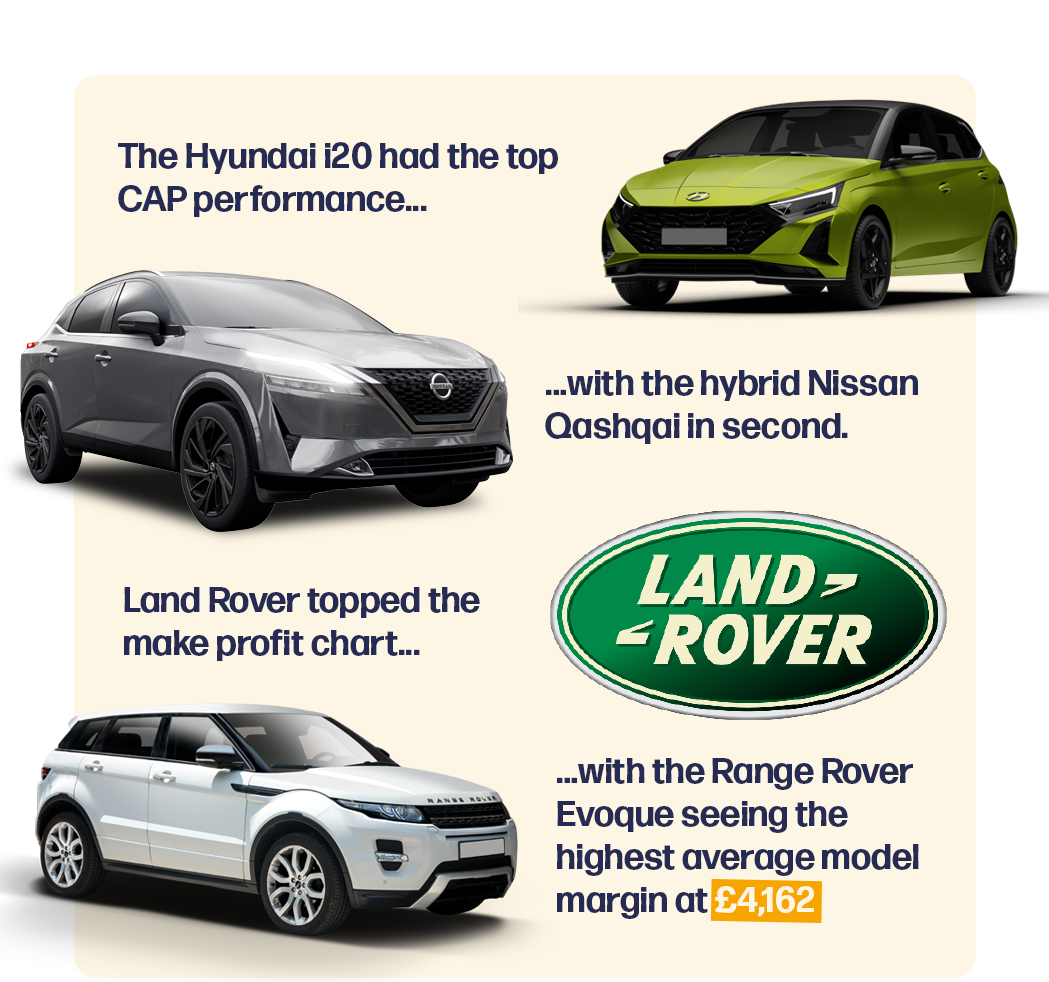
When it comes to margins, one trend stood out from the crowd: the top five in the Retail Margin Monitor charts for Q3 were made up of premium models from Land Rover, Volvo and Mercedes-Benz, with highs reaching £4,654. At brand level, the same luxury brands featured heavily at the top of the chart, with Jaguar joining the ranks.
With the market continuing to evolve, knowing which models offer the strongest margins is more important than ever. Explore our Retail Margin Monitor to see which vehicles are leading the charts each month.
What does this mean?
For dealers, this suggests that the models offering the strongest buying opportunities may be changing, making it worth revisiting stock profiles and acquisition decisions rather than relying on previous performance alone. Especially with lower-priced, lower-mileage vehicles coming onto the market following the plate change.
Staying ahead
The conversations are gathering pace, with more than 14.5 million intelligent stock alerts delivered across the UK in Q3 alone, helping connect dealers with the right vehicles at the right time and keeping opportunities moving across the automotive market.
This translated into 192,106 bids during the quarter, demonstrating consistent engagement across the platform and continued demand for stock.
The pace of stock turnover remained equally important this quarter as vehicles sold through natural auction averaged just 2.92 days to sell.* This consistency in speed to sale helps shorten remarketing cycles and move stock efficiently, opening up space on forecourts for the next opportunity.
A strong showing for retail value
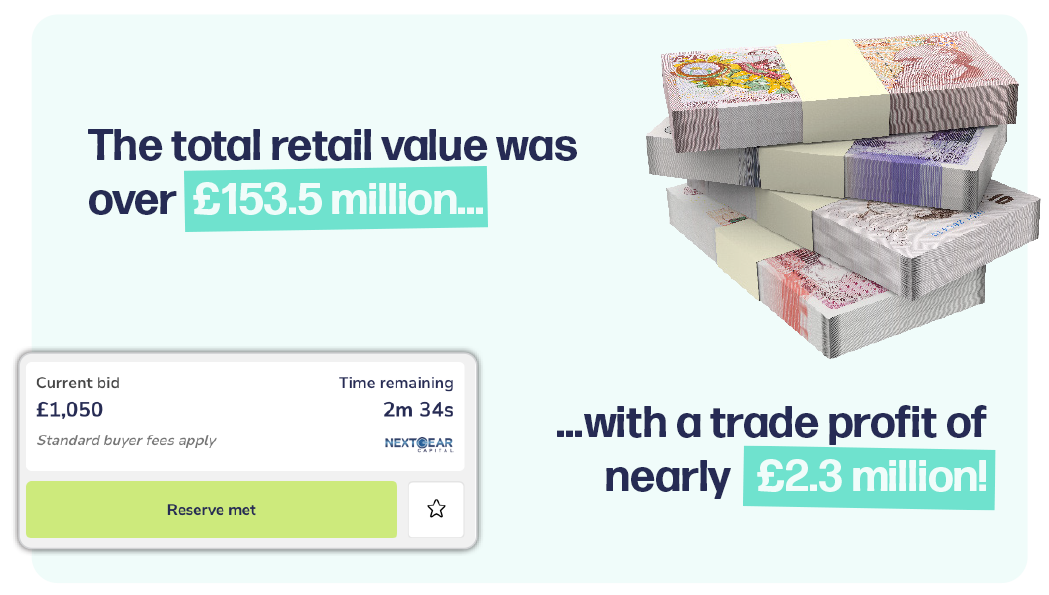
With an estimated £153.5 million in retail value from vehicles sold through Dealer Auction in Q3, there’s considerable potential value in the stock changing hands. Estimated trade profit also remained steady at £2.3 million. This shows that 2026 has been a strong year so far, with substantial volumes of stock continuing to flow through the platform.
But the more interesting question is where that value sits. Is it newer, lower-mileage vehicles commanding the highest prices, or are older, more affordable models presenting equally attractive opportunities for retailers? Interestingly, one of the top-performing models for average margin across the quarter, the Volvo XC90, had an average age of 11.7 years, providing plenty of food for thought for retailers looking to uncover opportunities across a wider range of stock profiles.
Are changing buyer preferences shaping dealer stock?
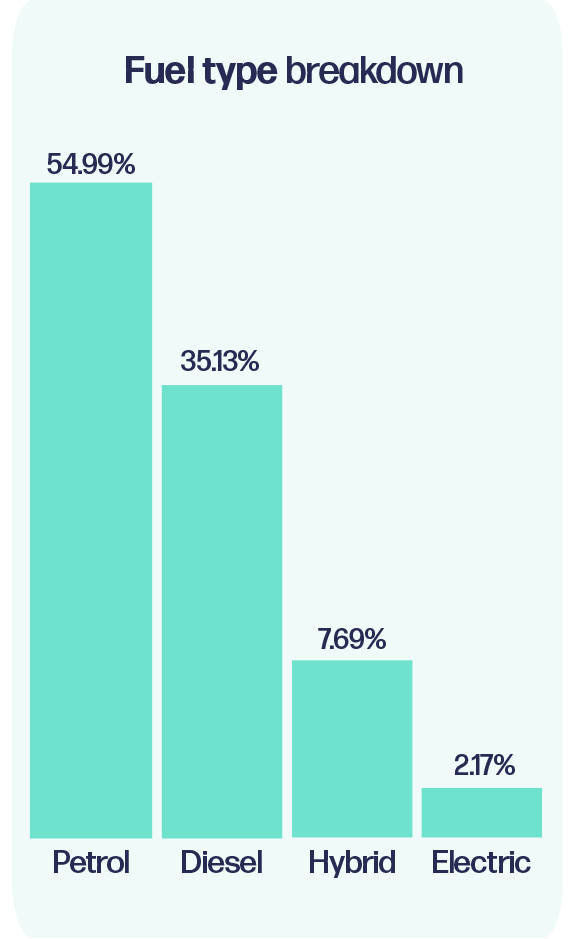
Petrol vehicles accounted for the largest share of stock sold through Dealer Auction in Q3, at 54.99%, followed by diesel at 35.13%. Hybrids represented 7.69%, while electric vehicles made up 2.19%.
Petrol was the only fuel category to increase quarter-on-quarter, by 2%, stealing a percent share from both Diesel and Hybrid. But with fuel and running costs remaining high, will petrol’s dominance continue?
As always, with changing consumer preferences and industry context all potentially influencing purchasing decisions, it’s important for dealers to adapt their stock accordingly. Diesel represented more than a third of vehicles sold, suggesting it continues to play a significant role in the market.
Electric remaining stable with a relatively small share highlights the continued dominance of traditional fuel types. However, as more EVs enter the used market and consumer preferences evolve, could we see this balance begin to shift in the coming quarters?
Read our latest EV Performance Review for more detail on how alternative fuel vehicles (AFVs) are performing against this backdrop.
What does this mean?
For dealers, understanding how demand is shifting across fuel types could help inform buying decisions, particularly when balancing the purchase price of a vehicle against its potential retail appeal and margin.
With petrol continuing to lead, it’s an indication that traditional fuel types remain a key part of the market. With that in mind, keeping an eye on emerging trends will be essential to sourcing the right stock at the right time.
Playing the long game in Q4
As Q3 draws to a close, the game is far from over. Q1 and Q2 set the pace, and Q3 delivered another solid performance, pointing to a resilient market despite the challenges facing the automotive industry this year.
With more than 14.5 million intelligent stock alerts delivered, 192,106 bids placed and an estimated £153.5 million in retail value represented by vehicles sold through Dealer Auction, there’s plenty of opportunity still in play. The challenge is to turn these insights into smarter sourcing decisions.
Dealers must keep their eyes on the prize: uncovering the right stock, spotting emerging opportunities and staying one step ahead of the competition. With shifting market trends indicating that the top performing vehicles aren’t always the ones that have traditionally provided the best returns, stock profiles should come under the microscope to see if different opportunities bring higher prizes.
It’s also worth thinking about the fact that older vehicles of 10+ years or more are having a surge in interest. Is this an indication that consumers will be focusing on save money on larger purchases as the cost of living continues to increase?
With that in mind, those increases in costs include fuel prices particularly. Though we can see that petrol is still king when it comes to the market share, dealers should keep their eyes on the currently steady EV number going forward to ensure they stay ahead of the curve.
As we head into the final months of 2026, the dealers who stay alert to shifting market dynamics, follow the data and act decisively will be best placed to navigate the twists and turns ahead. After all, changing your strategy isn’t traitorous behaviour; it’s a smart strategy!
Sometimes, the smartest move is to embrace a new direction to uncover the best opportunities.
*Dealer Auction’s speed to sale metric looks at vehicles that have sold naturally via digital auction without any human intervention (e.g. negotiation).
The UK’s smartest digital wholesale marketplace
Like what you see? Why not take us for a 30-day test drive…